P3DN Fasilitasi — Kemenperin, Ministry of Industry
The facilitation arm of Kemenperin’s P3DN program — built greenfield in 2025 on SvelteKit + TypeScript + Supabase, the stack the older platforms spent years earning.
- Year
- 2025
- Focus
- Government
- Reading
- 2 min· 5 sections
- Published
- Web


Project Overview
"Facilitation is a pipeline problem: a request enters, documents accumulate, reviews happen in stages. Starting on the modern stack meant the pipeline was designed-in, never excavated."
The Stack — Built Right the First Time
Every rewrite preserved the program’s core workflow while replacing the foundation underneath it.
01. SvelteKit + Supabase — Built Right the First Time · 2025 — Present
P3DN Fasilitasi skipped the archaeology — launched in 2025 directly on SvelteKit + TypeScript + Supabase, the stack the older platforms spent years earning.
Greenfield build — no migrations, no legacy debt.
Explicit review stages from submission to reporting.
TypeScript end-to-end on the consolidated frontend.
Managed auth, Postgres, and document storage.
Era 01 — SvelteKit + Supabase — Built Right the First Time
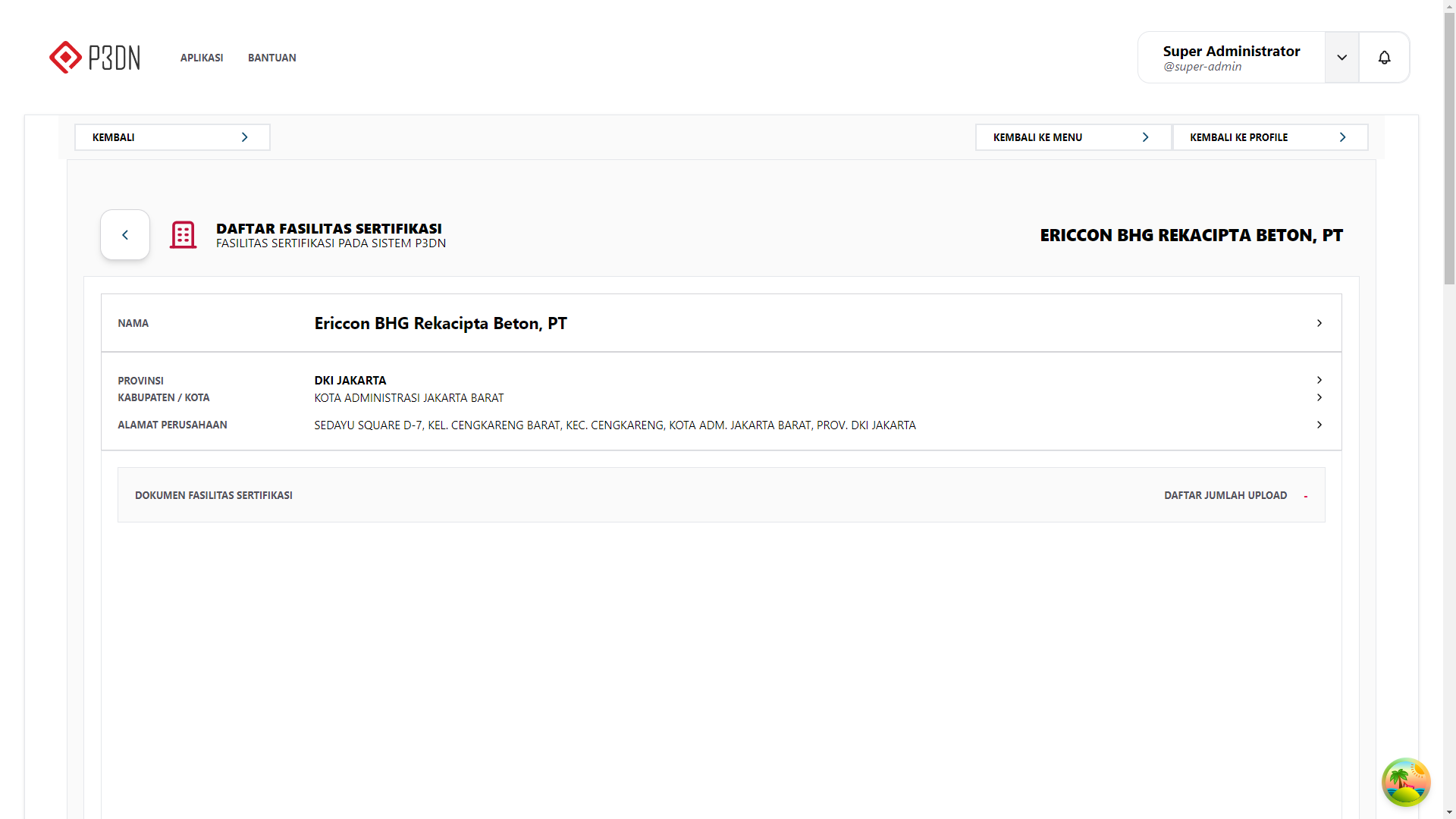
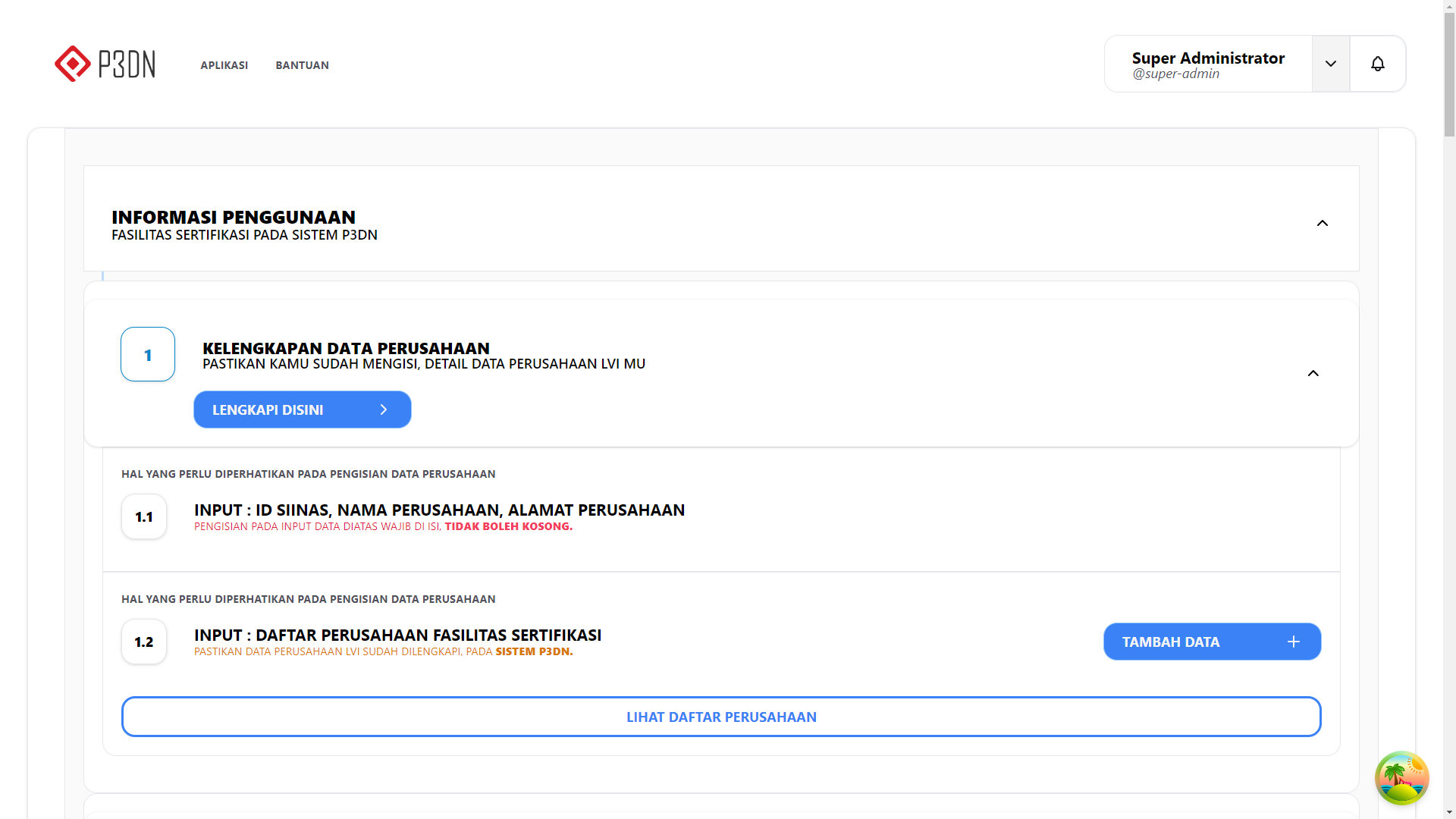
P3DN Fasilitasi home
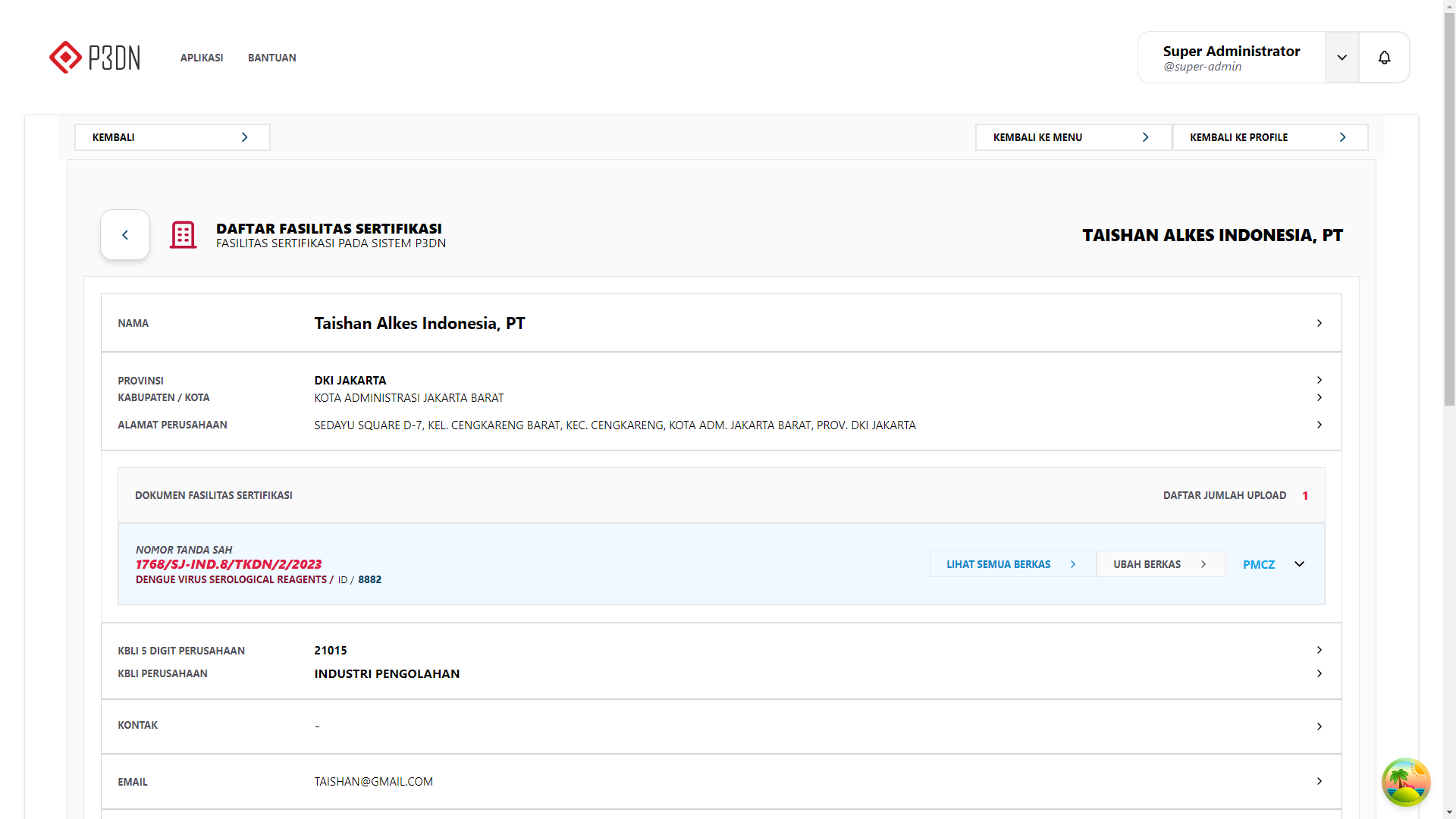
Facilitation request flow
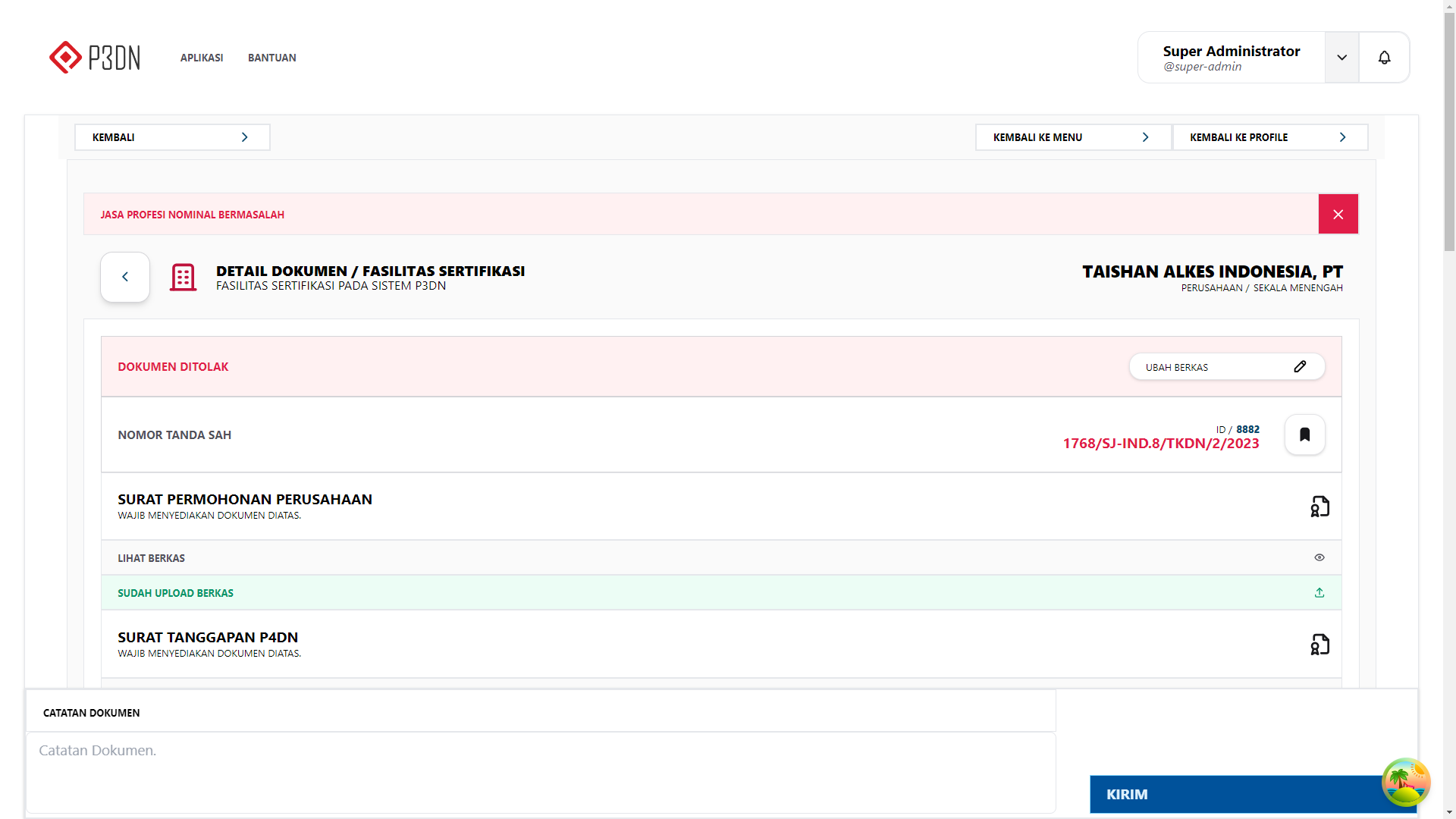
Request tracking
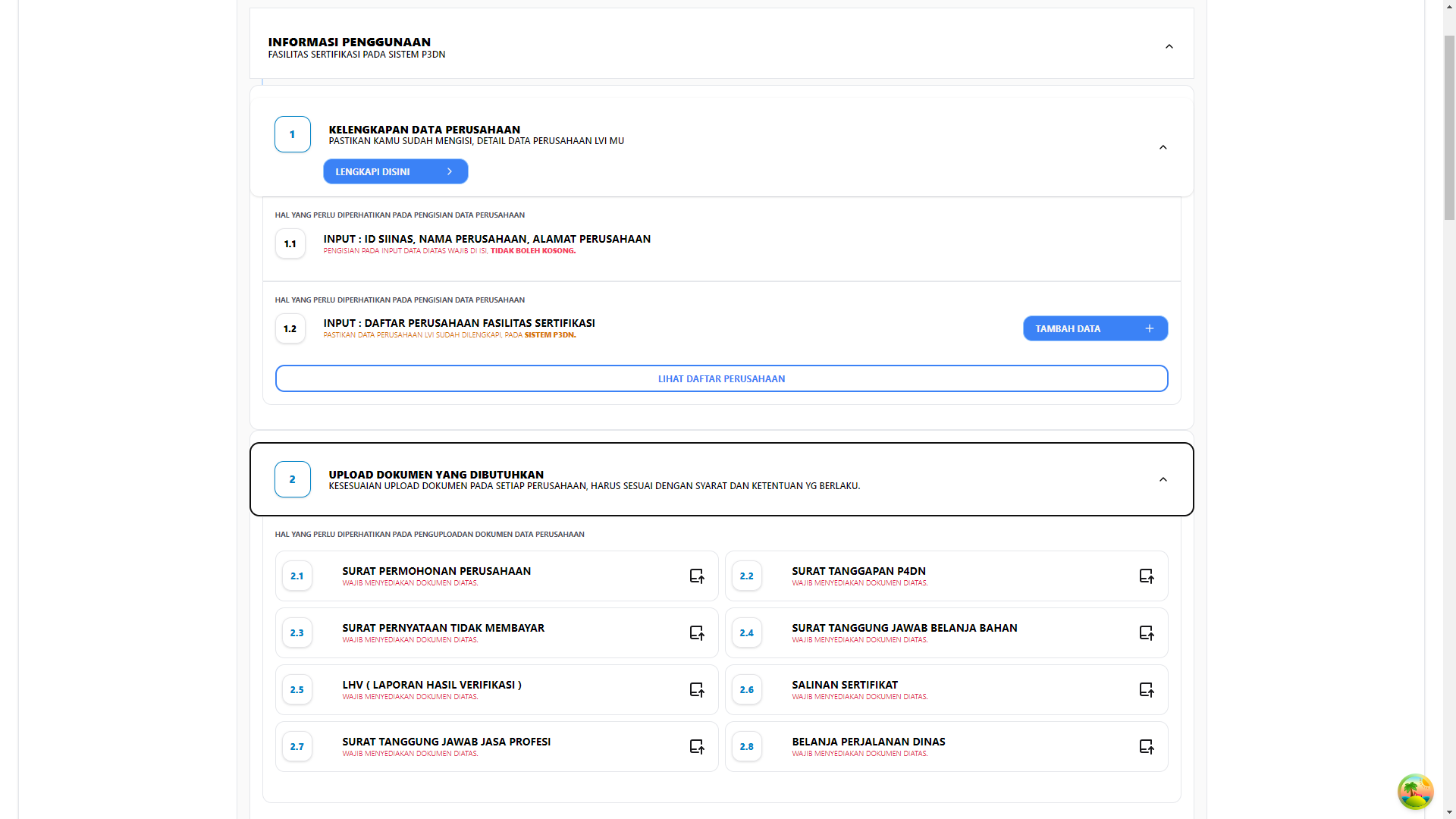
Document review
Staff review queue
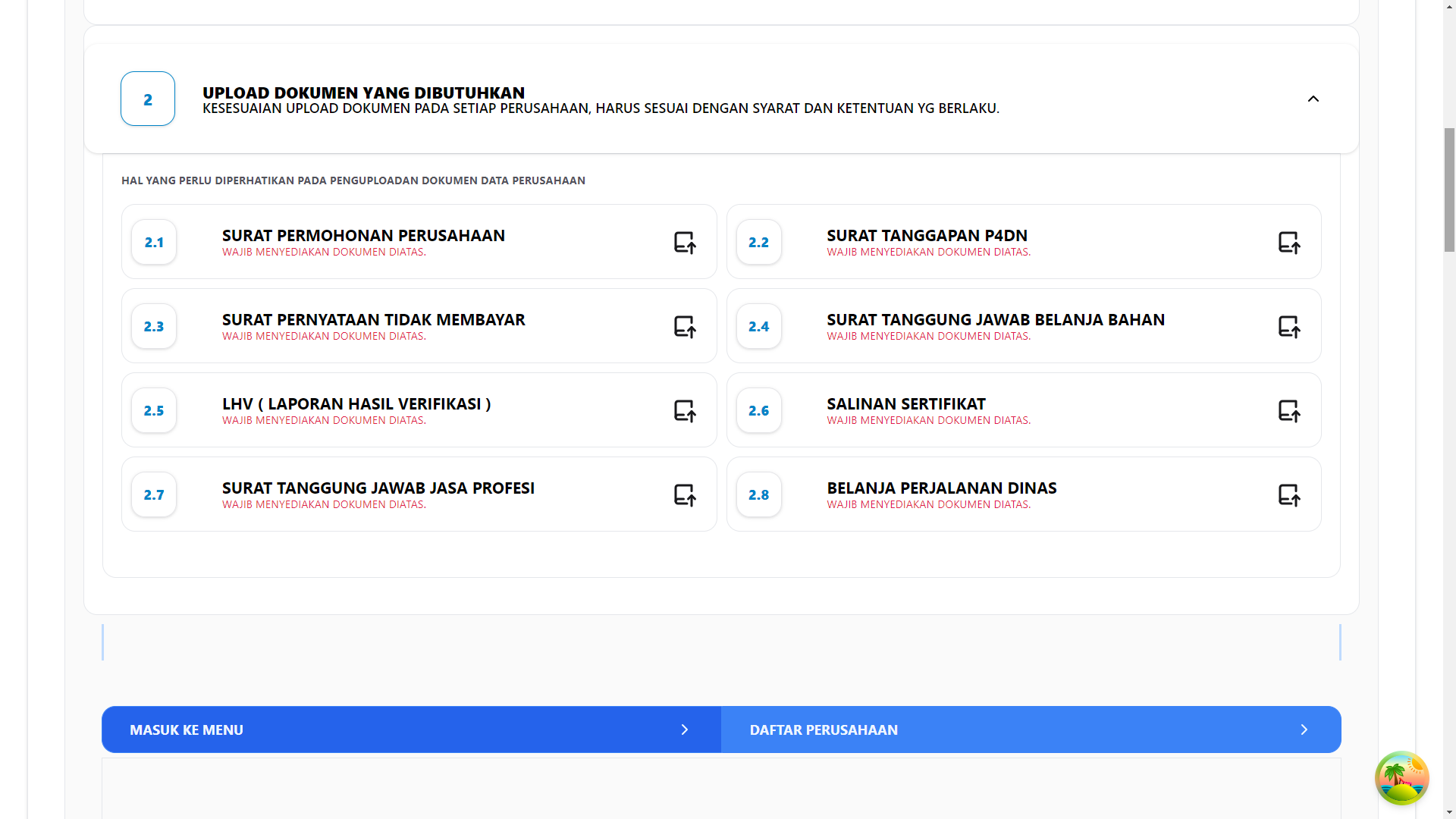
Admin console
Design Decisions
What a greenfield government build looks like when the lessons are already paid for.
Start on the Target Stack
Business Matching took four rewrites to reach a modern architecture. P3DN skipped the archaeology — SvelteKit + TypeScript + Supabase from the first commit.
Pipeline as Schema
The five review stages are typed states in the database, not conventions in the code — every transition is enforced and auditable.
Managed Backends Buy Focus
Supabase auth, Postgres, and document storage removed weeks of infrastructure work — the effort went into the facilitation workflow, the part that is actually program-specific.
Self-Service Scales Staff
Status tracking and async document upload removed the "where is my request" phone calls — the single largest time sink for the facilitation desk.